Electric or Hydronic Towel Warmer? Here’s How to Choose the Right One
7.7.2026
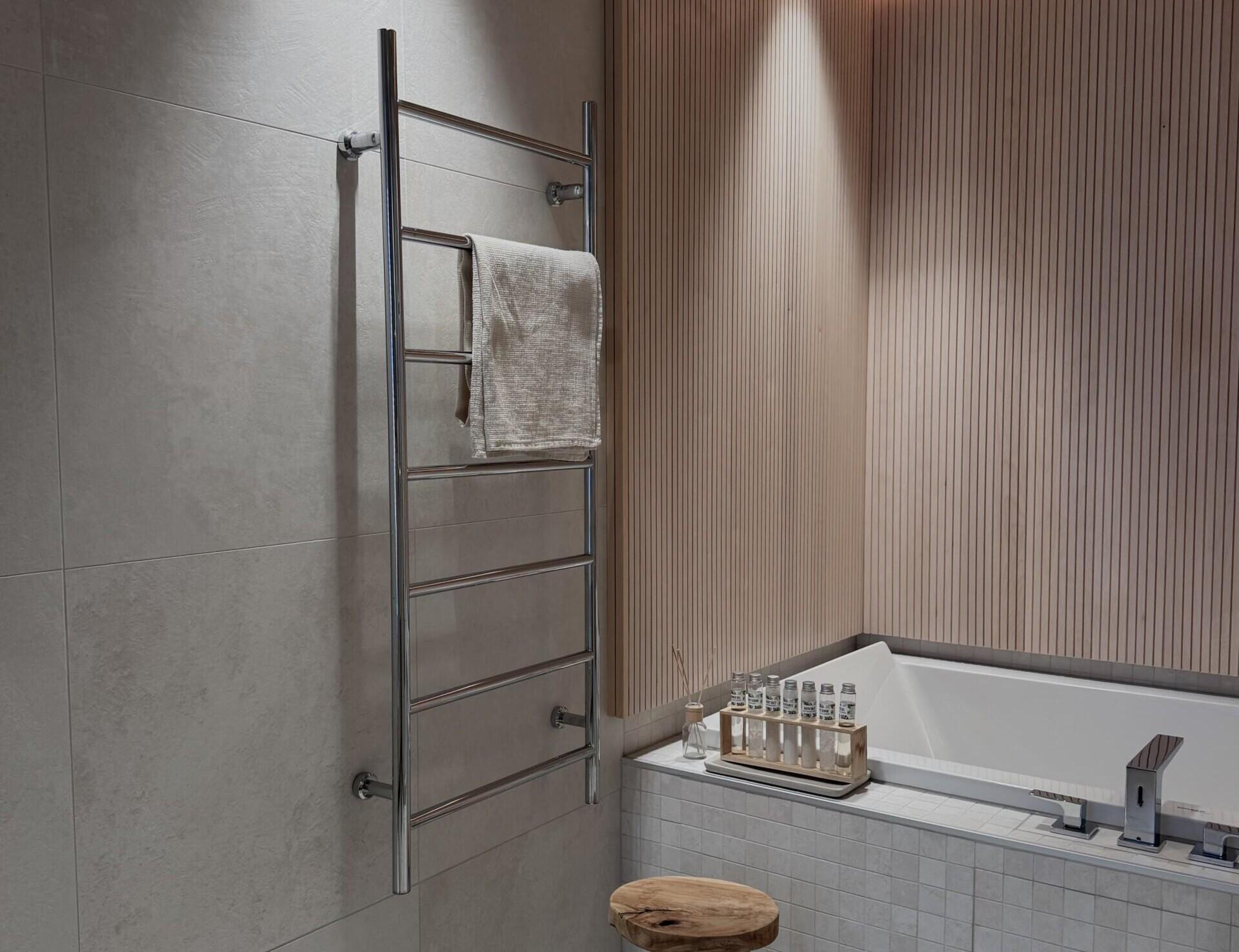
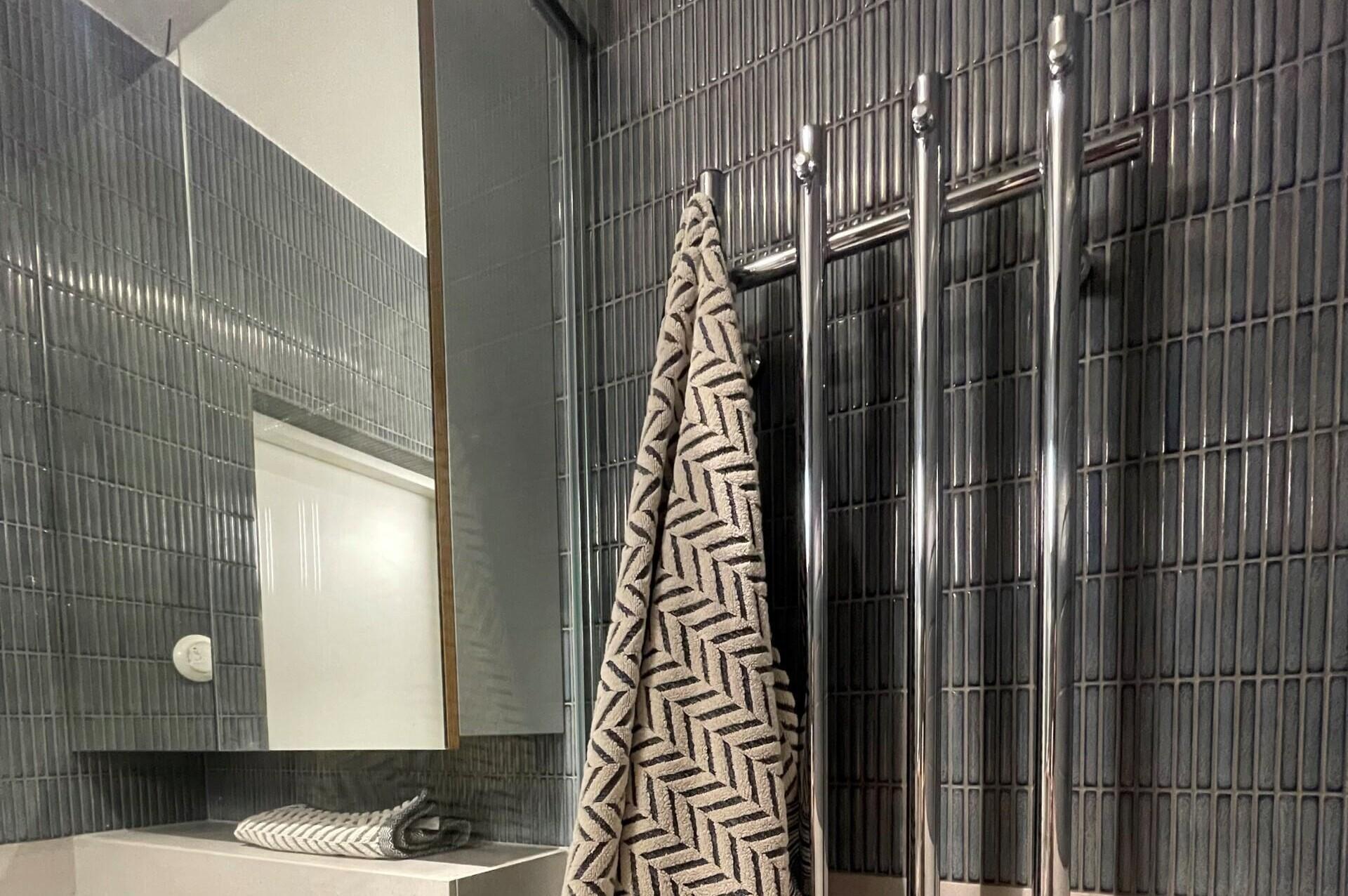
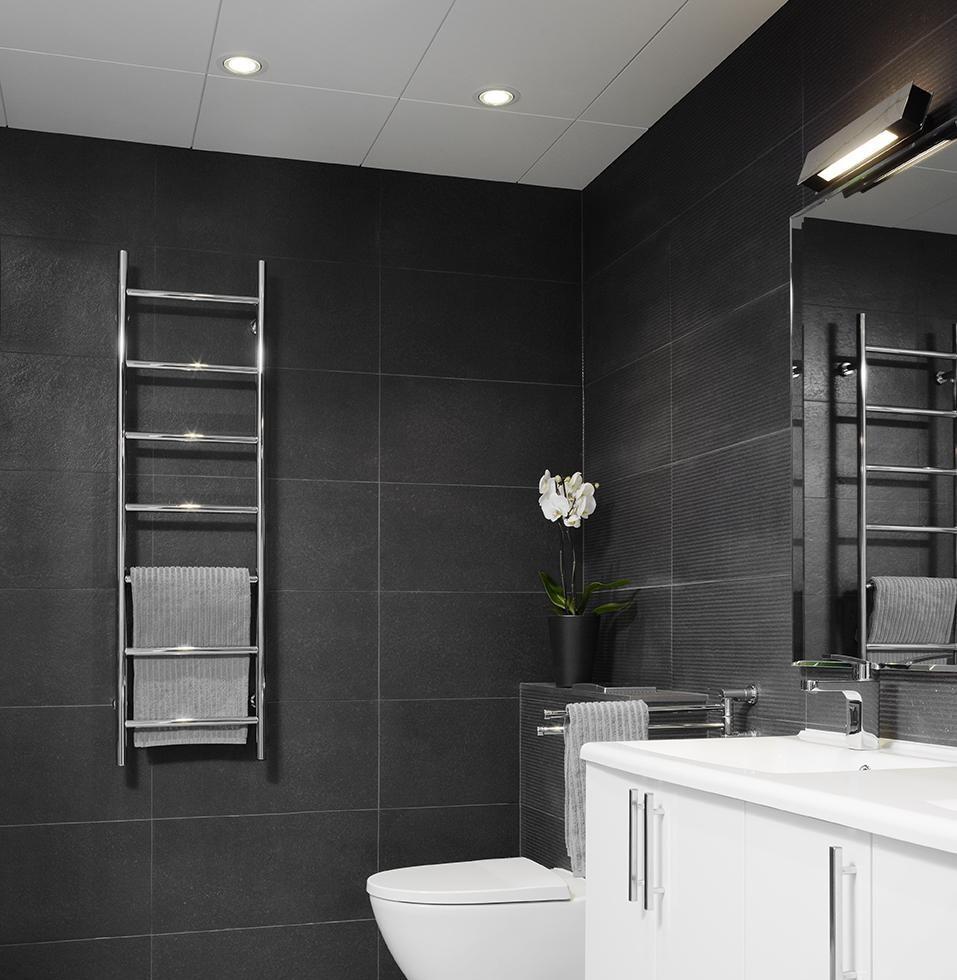
A towel warmer makes your bathroom more comfortable and everyday life a little easier. Dry towels are always ready when you need them, textiles dry efficiently, and the bathroom stays tidier. If you’re looking to add a touch of everyday luxury, imagine stepping out of the shower and wrapping yourself in a soft, warm towel. That spa-like feeling at home doesn’t happen by chance—it comes from carefully considered details. A towel warmer adds warmth to your bathroom and makes daily routines more enjoyable.
When it’s time to choose a towel warmer, many people ask the same question: should you choose an electric towel warmer or a hydronic towel warmer? Both are excellent options. The right choice depends primarily on whether you’re building a new home or renovating an existing one, the technical possibilities of the property, and the stage of your construction or renovation project.
An Electric Towel Warmer Fits Almost Any Project
The biggest advantage of an electric towel warmer is its flexibility. It can be installed in new builds, renovation projects, or even in an already finished bathroom.
Because it operates using its own electric heating element, it is independent of the building’s heating or hot water system. This means it can be used all year round, including during the summer when towels, swimwear and other textiles still need an efficient place to dry.
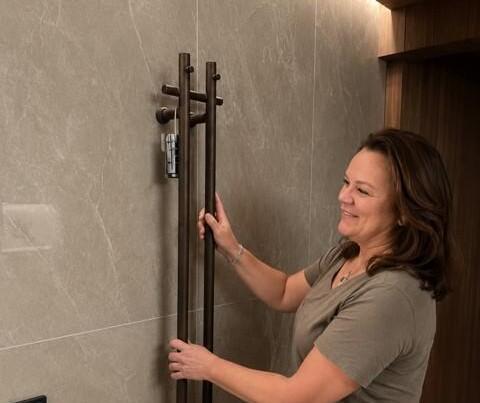
Although an electric towel warmer can be installed at almost any stage, the best result is achieved when it is considered during the bathroom planning phase. A hardwired installation creates a clean, seamless finish without visible cables. For this reason, REJ Design recommends including the towel warmer in the electrical plans from the beginning. Even if the towel warmer itself is purchased later, the installation preparation required for the REJ Pro® installation method can be completed during construction or renovation. The warmer is then installed after the finishing work has been completed, protecting it from damage during construction while making the final installation quick and neat.
All REJ Design electric towel warmers include a timer function that allows the unit to operate for either three or six hours. Models rated above 60 W also offer continuous operation, allowing the warmer to be used exactly when needed.
An Electric Towel Warmer Uses Surprisingly Little Energy
Many people are surprised by how little electricity an electric towel warmer actually consumes. For example, a 60 W towel warmer used for six hours a day consumes approximately 11 kWh of electricity per month. At a total electricity cost of around €0.15 per kWh, this amounts to less than €2 per month. Thanks to the timer function, energy is only used when the towel warmer is actually needed.
A Hydronic Towel Warmer Is a Cost-Effective Choice for Many Homes
A hydronic towel warmer is an excellent option for renovation projects where a hydronic towel warmer or a panel radiator has previously been connected to the domestic hot water circulation system. In these situations, the towel warmer is heated as part of the existing hot water circulation, making it an extremely energy-efficient solution.
A hydronic towel warmer can also be connected to the building’s central heating system, or it can have its own dedicated heating circuit. These solutions are suitable for both new construction and renovation projects. One important consideration is that a towel warmer should not be connected to the same circuit as underfloor heating, as the water temperature in underfloor heating systems is generally too low for effective towel drying.
Should a Hydronic Towel Warmer Be Connected to the Hot Water or Heating Circuit?
As mentioned above, connecting a towel warmer to the domestic hot water circulation provides excellent energy efficiency. Domestic hot water is maintained at a relatively high temperature, meaning the towel warmer can feel pleasantly warm—or even hot—to the touch. During the winter this adds extra comfort, but during hot summer months the constant heat may make a small bathroom feel warmer. It is also worth noting that a towel warmer connected to the domestic hot water circulation cannot normally be switched off.
A hydronic towel warmer can also be connected to the building’s central heating system. In this case, there is one important practical difference: the towel warmer only heats up during the heating season. During the summer, when the heating system is turned off, the towel warmer will not provide heat. This may be an important consideration if you want towels to dry efficiently all year round.
Should You Choose an Electric or Hydronic Towel Warmer?
If you’re looking for the most flexible solution, an electric towel warmer is often the best choice. It is suitable for almost any project, operates year-round, and can also be installed in an existing bathroom. It can be switched on whenever needed and turned off when not in use.
If, on the other hand, you’re renovating an apartment building or another property where towel warmers or panel radiators have previously been connected to the domestic hot water circulation, a hydronic towel warmer is often the most practical and cost-effective solution.
A Good Choice Will Last for Decades
Whether you choose an electric or hydronic towel warmer, the most important thing is selecting a solution that suits your home and your needs. A well-designed towel warmer is much more than a place to dry towels. It makes everyday life more comfortable, helps keep the bathroom tidy and completes the overall look of the space.
When the right choice is made during the planning stage, it’s an investment you’ll continue to appreciate for many years to come.